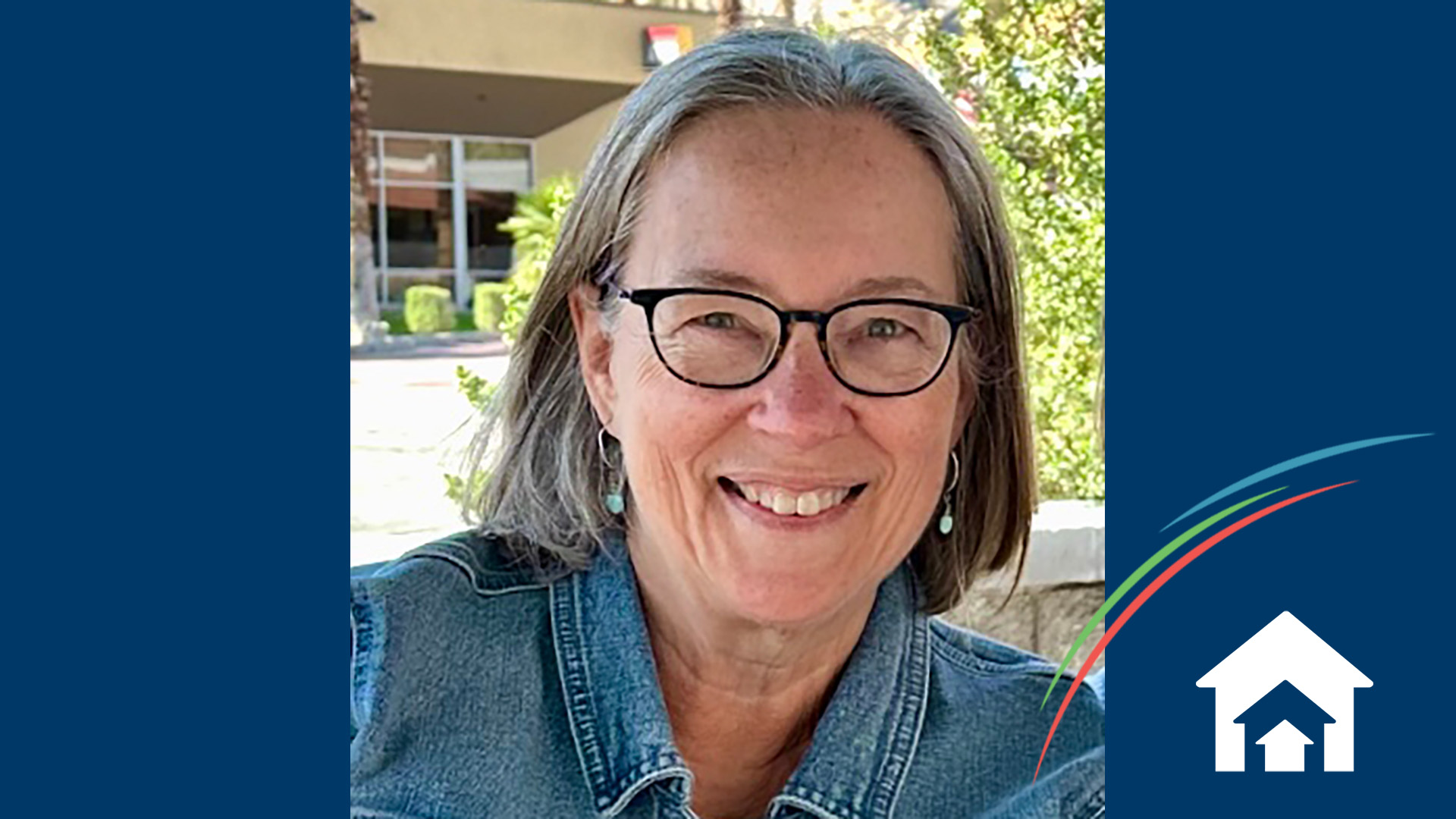
When Debbie M. retired from a career in education, she didn’t picture herself slowing down. So when she came across an opportunity to tutor through Simpson Housing Services, it immediately caught her attention.
“I had recently retired, and I had been working with children for a lot of my career,” Debbie says. “One of my motivations was just to get back in the game of being with kids and helping them.”
Her first connection to Simpson came through social media and news about the organization’s expansion and new building. Curious, she did some research and noticed an upcoming information session for volunteer tutors—no obligation required. That detail mattered. “I liked that I could just learn more and see if it felt like a good fit,” she explains.
At the information session, Debbie heard about Simpson’s tutoring philosophy and approach—and it resonated immediately. The program emphasized meeting children where they are, building confidence alongside academic skills, and supporting families without taking over or undermining their role. “A lot of what they were saying about why they tutor and how they tutor just made sense to me,” she says.
Debbie’s background helped prepare her well. She began her career as a classroom teacher and later worked as a school administrator in admissions. Still, she’s quick to point out that formal teaching experience is not a requirement for being a Simpson tutor. What matters more is consistency, encouragement, and a willingness to show up with patience and care.

Last year was Debbie’s first year tutoring, and she was paired with one young student whom she met with once a week for an hour in the late afternoon. The structure of the program quickly became one of its biggest strengths. A Simpson staff member coordinates logistics, communicates with parents, and prepares lesson materials, allowing tutors to focus entirely on their time with the child.
“That took away any potential awkwardness,” Debbie says. “I could just focus on my hour with the student.”
Each session followed a thoughtful rhythm. They often began with something low-pressure and welcoming—reading a book together or doing a simple get-to-know-you activity—before moving into literacy or writing practice. The lessons are well planned but intentionally flexible. If a student was having a tough day, it was okay to pivot. “If she’s having a bad day, dump the lesson and read a book,” Debbie recalls being told. “It was a good mix of guidance and flexibility.”
While reading and writing were the academic focus, Debbie noticed something equally important happening beneath the surface. The program places strong emphasis on social-emotional development and supporting kids in building positive associations with learning. That focus became especially clear toward the end of her first year.
“At the beginning, I encouraged her to read,” Debbie says. “And by the end of the year, she was asking to read books. She wanted to pick them out and read to me. Her confidence had grown enough that she wanted to do it.”
That shift—subtle but powerful—stuck with Debbie. It’s also a big reason she came back for a second year.
“It was such a positive experience,” she says. “I wanted to offer that support. It was fun and it felt really valuable.”
This year, Debbie is tutoring another seven-year-old student, working more on comprehension and writing while still centering encouragement and joy. Projects may span several weeks, like learning about an animal together—reading, writing facts, and discovering new information at the child’s pace. Even when reading feels hard, Debbie has seen how positive reinforcement and curiosity can make learning feel safe and satisfying.
For Debbie, the impact goes both ways. “It was fun to see her looking forward to it every week,” she says. “Knowing she’s had hardships, it’s meaningful to give her a positive routine—something stable she can count on.”
That sense of stability is core to why the tutoring program matters within Simpson’s broader mission. The children in the program are typically living in transitional housing with their families. Tutoring supports preparing the entire family for long-term stability—academically, emotionally, and structurally.
Debbie also appreciates Simpson’s philosophy of “compassionate accountability.” Volunteers and staff offer compassion and support without positioning themselves as saviors. Parents remain actively involved, confirming sessions weekly and making decisions alongside staff. “We’re not coming in to fix the kids,” Debbie says. “We’re supporting their growth.”
For anyone considering volunteering but worrying they’re “not a teacher,” Debbie is clear: don’t let that stop you. “The academic part is only one piece,” she says. “If you’re willing to encourage, support, and show up consistently, that’s enough. The planning and guidance are already there.”
She also notes the sense of community and safety within the program. Tutors work in shared spaces with staff and other volunteers nearby, creating a supportive environment. “You’re not on your own,” she says. “It feels like a group working toward the same goal.”
Debbie’s experience offers a simple invitation: show up, be present, and believe that encouragement matters. Sometimes, that’s all it takes for a child to discover they want to read the next page themselves.
Now in her second year, Debbie knows exactly why she came back. It’s the joy, the connection, the quiet confidence that grows week by week—and the knowledge that one steady hour can make a lasting difference.
To learn more about becoming a tutor or to apply, visit the Simpson website here or email Jocelyn for more information.