Brick by brick
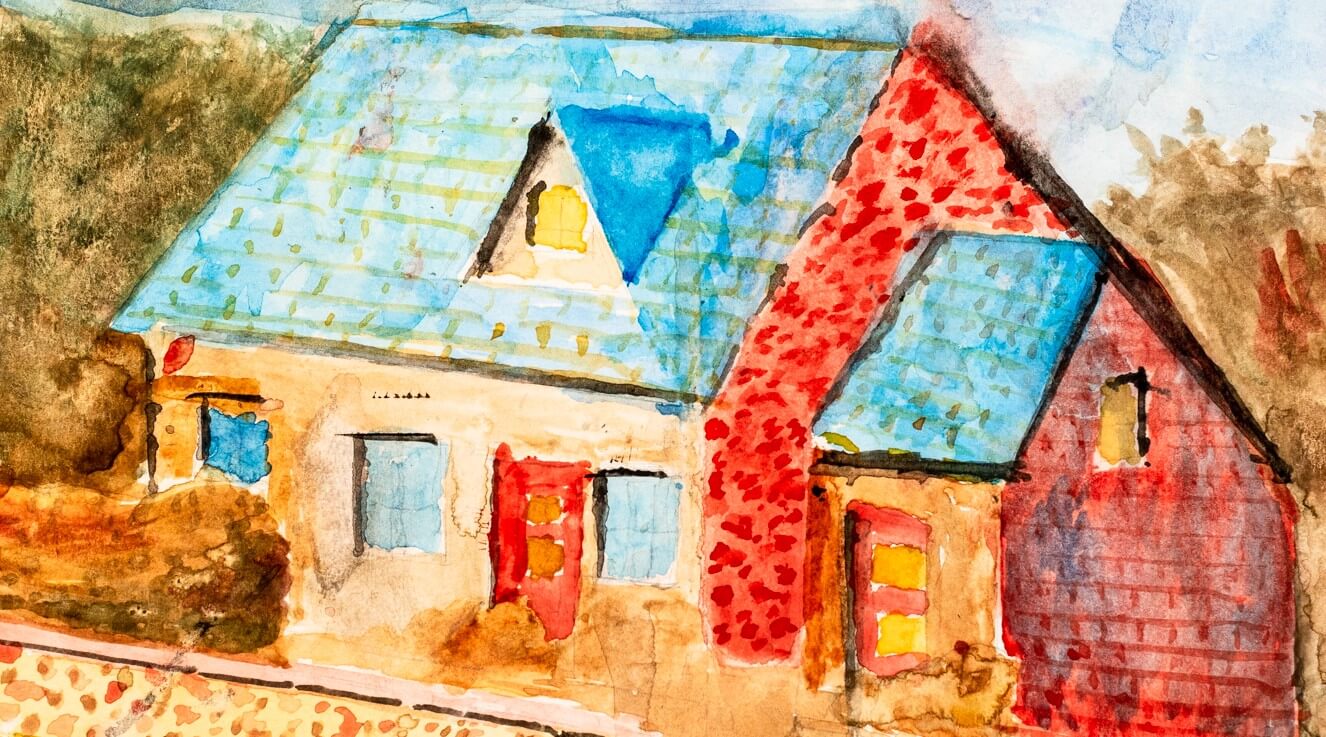
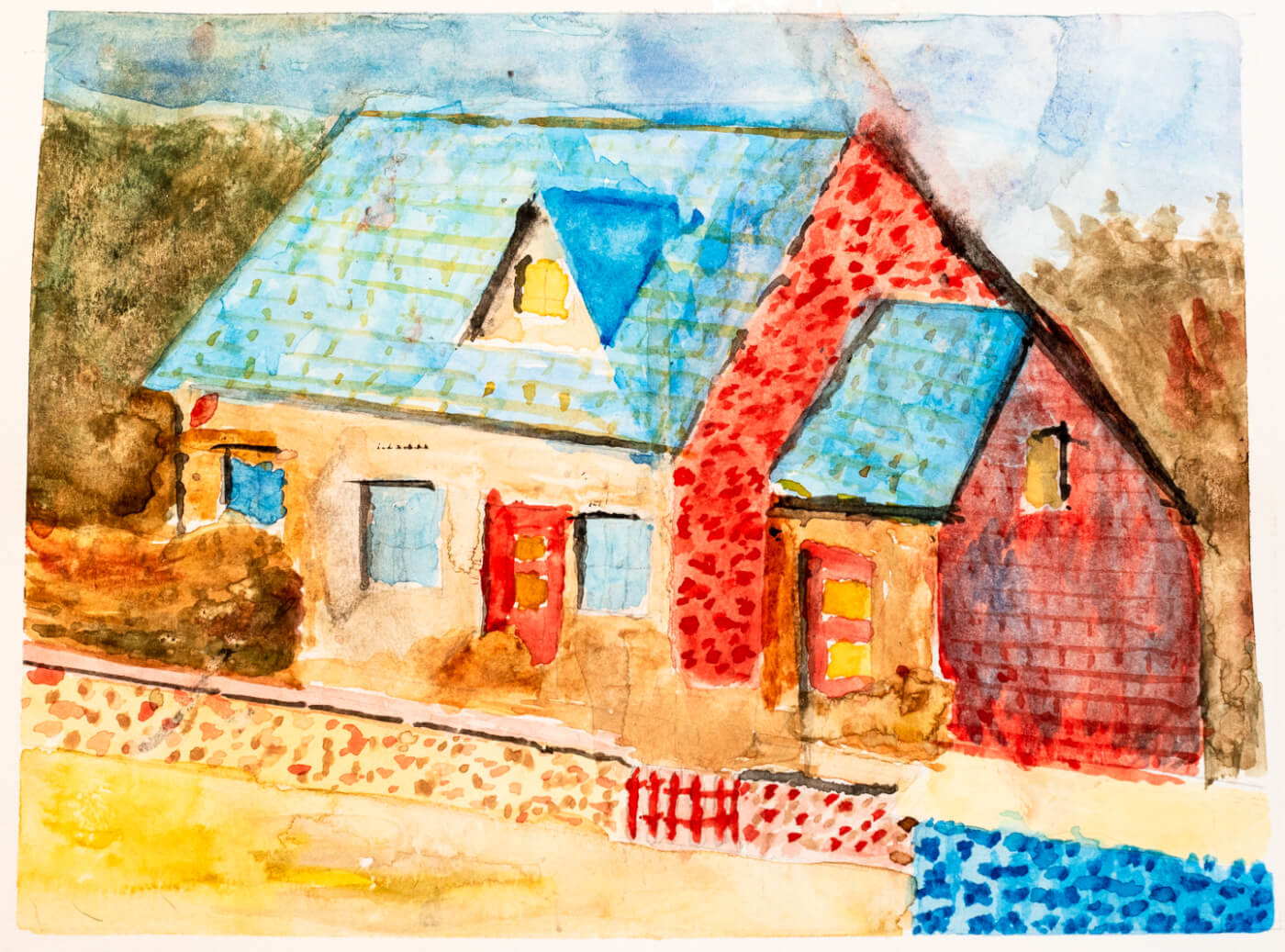 One of the best things one can say about a work of art is that it allows the viewer to change their perspective. The art of Jim Baker, an Art 4 Shelter contributor from Edina, does just that.
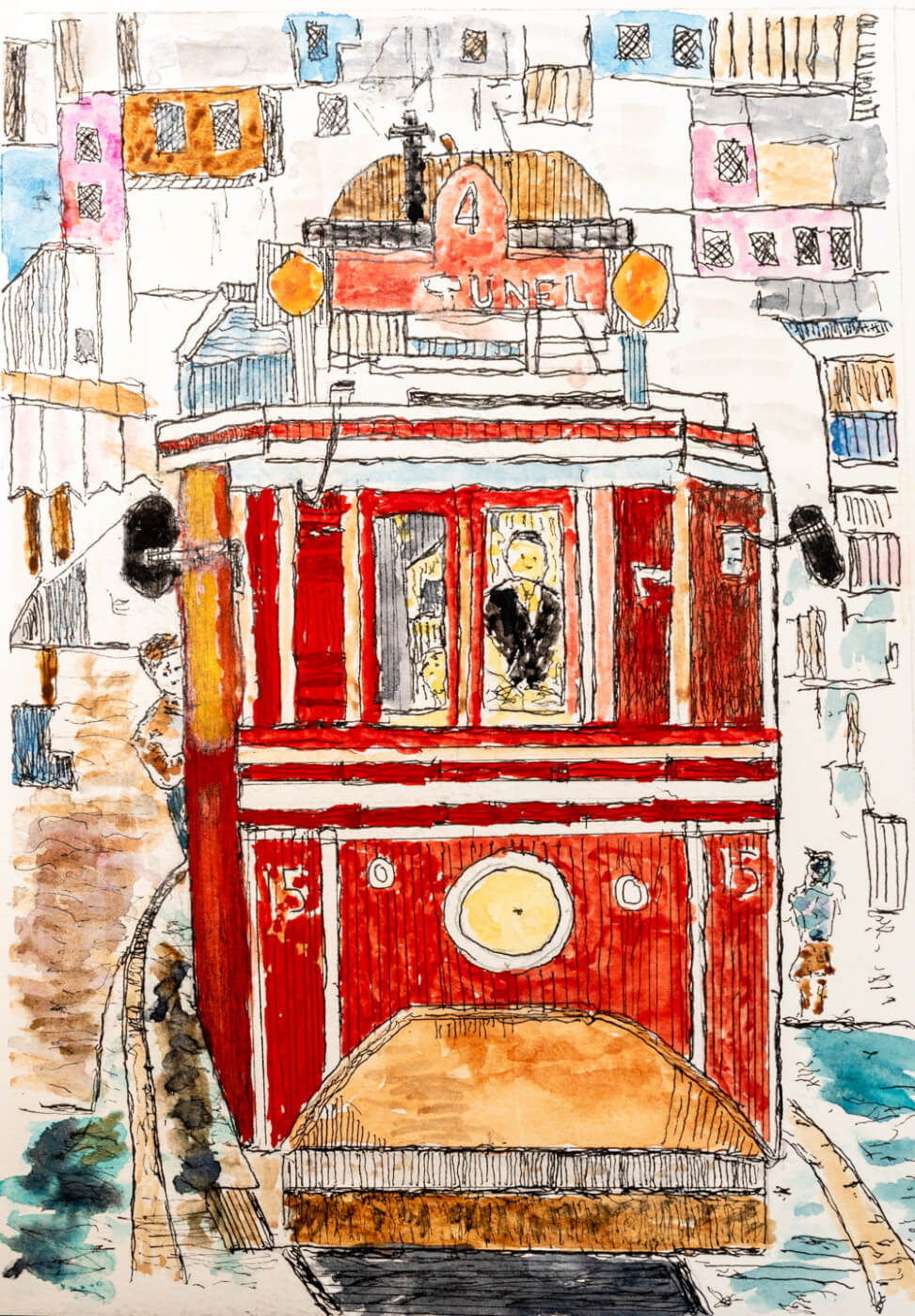
Jim’s watercolor and ink world is full of carefully sculpted bridges and museums, winding country roads, bobbing sailboats, and big, red trolleys gliding down steep city streets. There is careful attention paid to the construction of every paper structure, where lines meet like joints and rigging is detailed in full. But the edges of the lines and color seem to vibrate, softening the entire image. The colors themselves are full of earthy blues, yellows, and browns, and the occasional surprising pop of crimson or terracotta.
You don’t need to know anything about Jim in order to enjoy looking at his paintings. They give the viewer the feeling of being out in the city or a park on a sunny afternoon, watching some distant bustle or taking in the sights in a detached, relaxed fashion. But his story adds another layer of richness to the art.
 In 2006, a blood vessel burst in Jim’s brain. The resulting stroke nearly killed him. He was in the hospital for about a year, and he’s been slowly recovering ever since. But because of the damage caused by the stroke, he has a language disorder called aphasia. It makes it difficult for his brain to relay his thoughts into sentences.
“For Jim, he knows what he wants to say,” his wife, Barb, says. She’s been stepping up to help Jim understand and be understood in conversation. “But he can’t always back up the words, and it’s also affected his ability to read and write.”
Before his stroke, Jim was an engineer, and he was one class away from getting an advanced degree in international communications. He had plans to pursue a new career in nonprofit work. His aphasia meant those plans had to change.
As soon as he was able to communicate anything at all, he made it clear to his family that he had three new goals for his retirement. He wanted to get back to traveling internationally with Barb. He also wanted to get back into volunteering.
And, lastly: he wanted to build a boat.
“Our two adult sons said, ‘Are you out of your ever-loving mind?” Barb says.
He wasn’t. With a kit and a little assistance, Jim completed his first handmade boat. Its successful launch was covered by several news outlets, including the Star Tribune.
Volunteering is also going gangbusters, including a unique role as a “motivational non-speaker.” With the help of a slide presentation to translate his thoughts, Jim has been able to galvanize others with his story of recovery.
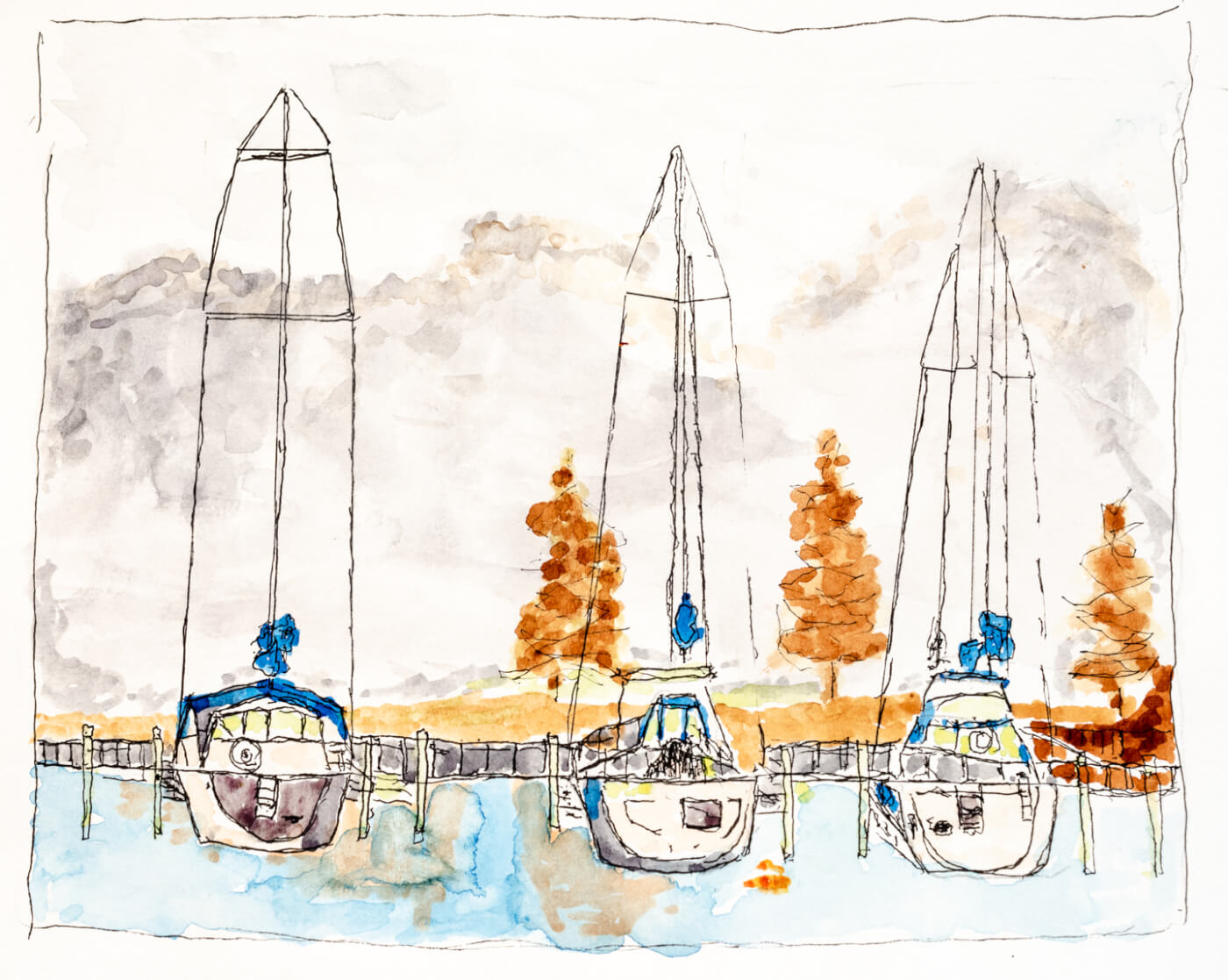 And then there’s his art. He took up watercolors a few years ago, when the pandemic set in. His engineer’s brain is on full display in each of these works. He’s building these structures with the eye of a trained builder. He’s also doing it with his left hand, which he’s learned to use more skillfully since he lost the use of his right.
Even the color choices are unique to Jim. He’s red-green colorblind, which means it’s a lot easier for him to perceive and replicate yellows and blues than reds and greens.
Jim’s world has changed more dramatically in 16 years than most people’s do in a lifetime, and his paintings have the ability to bring the viewer with him into his unique lived experience. Art 4 Shelter is just one of the causes that has benefited from the donation of his work. He was connected through his son, Tom, who is an artist himself (his medium is photography) and a longtime Art 4 Shelter Committee member.
Even with fewer words, Jim is still… well… Jim. A builder, a caring community member, and a creative force.